
Unlocking Supply Chain Efficiency: What Jabodetabek’s Toll Tariff Integration Means for National Logistics


High freight distribution expenses have consistently posed a significant hurdle to industrial competitiveness in Indonesia. The Greater Jakarta (Jabodetabek) metropolitan area acts as the primary nerve center for domestic and international goods movement, bridging vital manufacturing hubs across West Java and Banten directly with Tanjung Priok, the nation's premier maritime port.
To tackle the recurring gridlock and operational overhead across this corridor, the rollout of Jabodetabek toll road tariff integration is emerging as a critical structural milestone designed to streamline commercial freight movement and compress transit windows.
Eliminating Bottlenecks and Slashing Transit Time
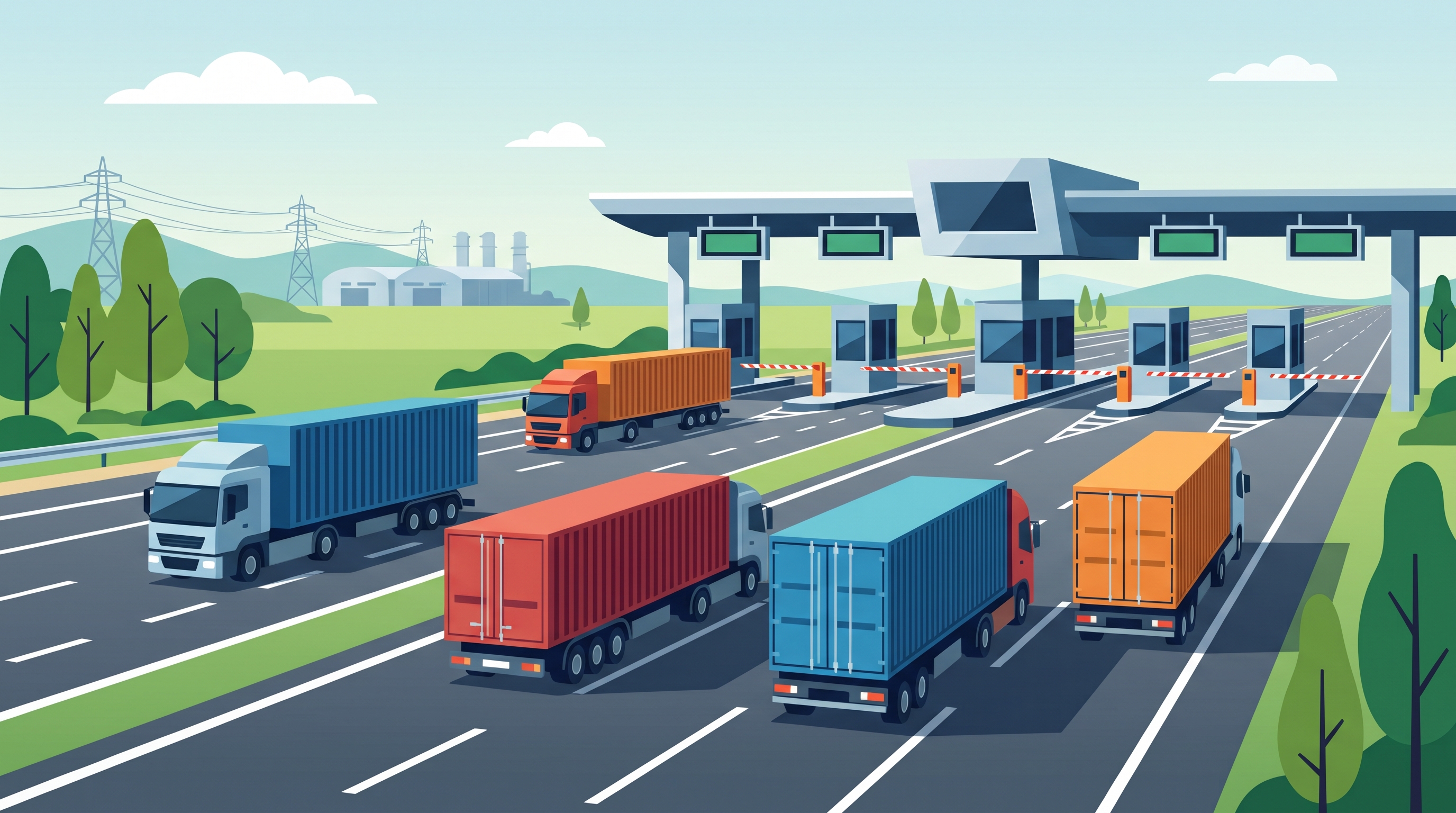
Prior to a unified payment mechanism, heavy freight haulers frequently had to stop at multiple intermediate toll plazas operated by different concessionaires. This repetitive barrier system caused substantial tailbacks during peak distribution windows, generated unnecessary fuel burn during prolonged engine idling, and inflated total travel durations.
Under an integrated tariff framework:
- Single-Point Transaction: Commercial vehicle operators only need to execute one transaction upon entry or exit, eliminating the friction of repeatedly tapping transit cards at intermediate boundary gates.
- Optimized Transit Windows: Delivery cycles connecting peripheral industrial complexes (including Cikarang, Karawang, and Tangerang) to port facilities or metropolitan fulfillment centers become predictable and substantially less susceptible to plaza congestion.
- Lower Idle Fuel Waste: A continuous cruising pace minimizes the frequent stop-and-go cycles typical of multi-barrier roads, directly reducing operational fuel overhead for fleet carriers.
Tangible Cost Predictability for Shippers and Fleet Operators
From an operational standpoint, a simplified toll structure introduces vital predictability into freight budget calculations. Fragmented tariff schemes previously made route budgeting complex and vulnerable to billing discrepancies.
Key operational benefits include:
- Simplified Financial Planning: Unified rates easily plug into modern Enterprise Resource Planning (ERP) and Transportation Management Systems (TMS), accelerating automated dispatch accounting.
- Accelerated Fleet Turnaround: Decreased gate wait times allow commercial haulers to complete trips faster, significantly raising daily asset utilization rates without expanding fleet size.
- Macro Price Stability: Supply chain savings achieved in upstream road transport steadily mitigate overall national logistics cost burdens, helping stabilize shelf prices for end consumers.
Driving Sustainable Connectivity
Consolidating toll payment schemes represents more than a tariff adjustment—it is an essential foundation for a modern, frictionless logistics network.
To maximize these gains moving forward, tariff streamlining should be paired with long-term technological upgrades, such as dedicated commercial express lanes and the full adoption of high-speed barrier-free tolling (Multi Lane Free Flow / MLFF). By uniting infrastructure modernization with practical regulatory alignment, Indonesia continues to strengthen the agility of its domestic freight ecosystem and bolster export readiness on the global stage.